
Q1: 플라스미드와 바이러스 벡터의 차이는 무엇인가요?
플라스미드는 외피가 없는 DNA 벡터로, 주로 형질전환(Transfection)을 통해 세포 내로 전달됩니다.
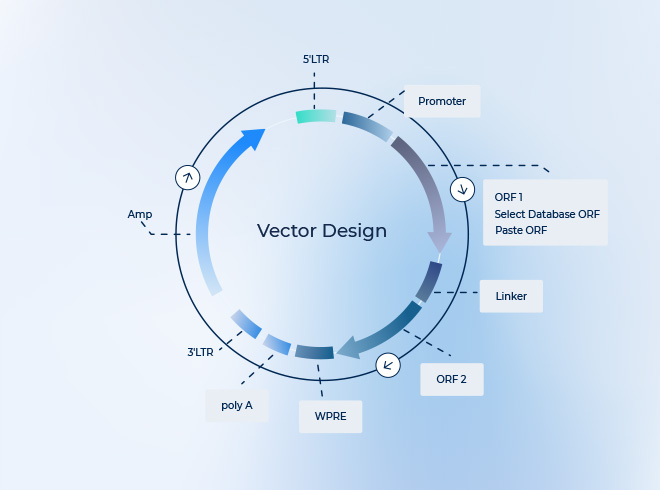
바이러스 벡터는 플라스미드를 기반으로 바이러스 캡시드로 포장된 전달 시스템으로, 감염을 통해 세포에 효율적으로 유전자를 전달합니다.
Q2: 전달 효율에 차이가 있나요?
일반적으로 바이러스 벡터는 플라스미드보다 높은 전달 효율을 보입니다.
특히 1차 세포, 형질전환이 어려운 세포 및 동물 실험에서는 바이러스 벡터 사용이 권장됩니다.
Q3: 유전자 발현 기간은 어떻게 다른가요?
-
플라스미드: 주로 일시적 발현으로, 발현 기간이 짧습니다
-
바이러스 벡터: 장기간 또는 안정적인 유전자 발현이 가능합니다
Q4: 플라스미드는 동물 실험에 사용할 수 있나요?
일반적으로 권장되지 않습니다.
체내 전달 효율이 낮고 발현이 불안정하기 때문에, 동물 실험에는 AAV 또는 렌티바이러스 벡터 사용이 적합합니다.
Q5: 바이러스 벡터는 숙주 유전체에 통합되나요?
바이러스 종류에 따라 다릅니다.
-
렌티바이러스: 숙주 유전체에 통합되어 안정적 발현 가능
-
AAV: 대부분 비통합 형태로 존재하며, 상대적으로 안전성이 높습니다
Q6: 바이러스 제작 전 플라스미드 검증이 필요한가요?
네, 필요합니다.
사전에 플라스미드로 유전자 서열과 발현을 검증하면 바이러스 제작 성공률을 높일 수 있습니다.
요약
플라스미드는 in vitro 단기 실험에 적합하며, 바이러스 벡터는 in vivo 및 장기 발현 연구에 적합합니다.
About PackGene
PackGene Biotech is a world-leading CRO and CDMO, excelling in AAV vectors, mRNA, plasmid DNA, and lentiviral vector solutions. Our comprehensive offerings span from vector design and construction to AAV, lentivirus, and mRNA services. With a sharp focus on early-stage drug discovery, preclinical development, and cell and gene therapy trials, we deliver cost-effective, dependable, and scalable production solutions. Leveraging our groundbreaking π-alpha 293 AAV high-yield platform, we amplify AAV production by up to 10-fold, yielding up to 1e+17vg per batch to meet diverse commercial and clinical project needs. Moreover, our tailored mRNA and LNP products and services cater to every stage of drug and vaccine development, from research to GMP production, providing a seamless, end-to-end solution.
Related Services
-
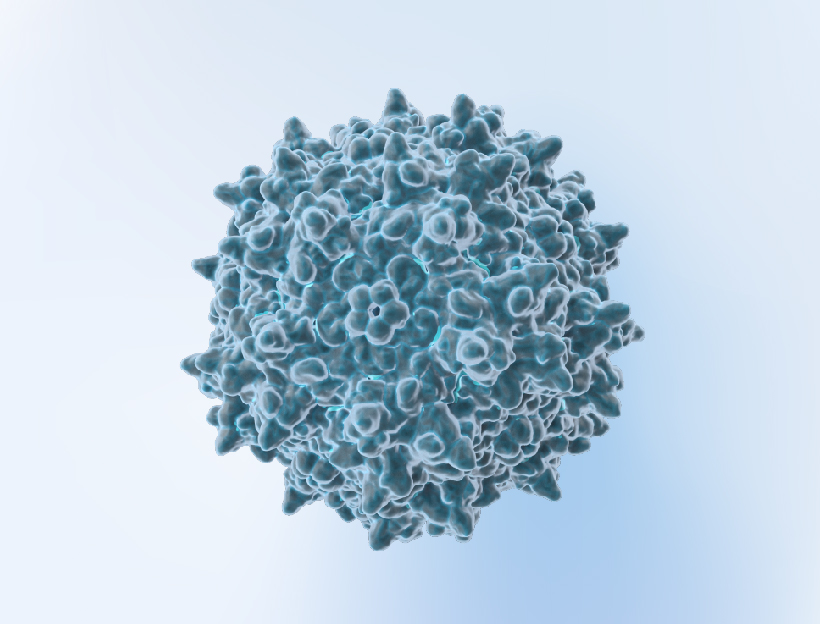
AAV Packaging – Research Grade
-
고순도, 저엔도톡신, 낮은 empty 캡시드 비율의 품질 보장
-
70종 이상의 혈청형 및 50,000건 이상의 프로젝트 수행 경험
-
전문가의 맞춤형 기술 지원으로 신속하고 신뢰할 수 있는 서비스 제공
-
-
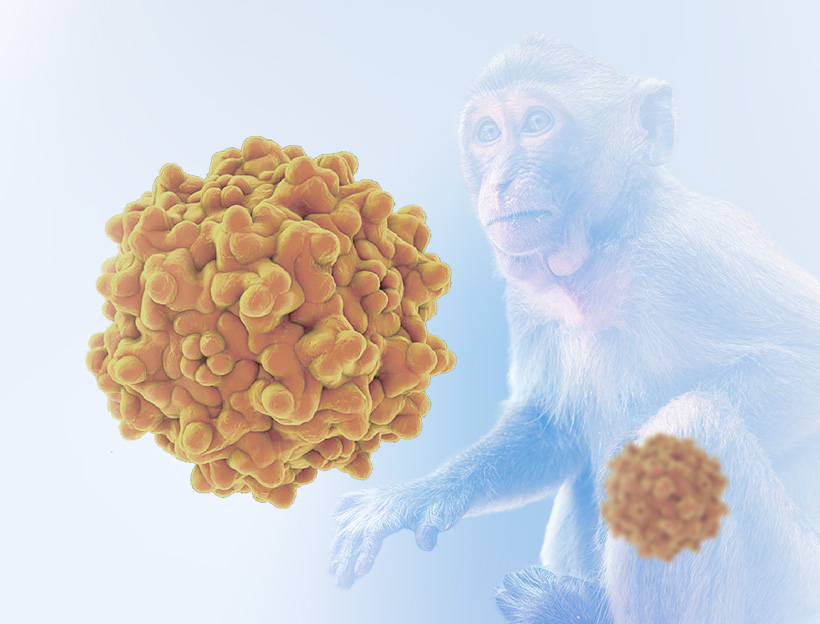
AAV Packaging – NHP Grade
- 매우 낮은 엔도톡신 철저한 오염 관리 시스템
- ddPCR 기반 정밀 titer 측정 및 유전체 완전성 확인 완료
- 일관된 결과로 향상된 안전성 및 유효성 보장
-
AAV 플라스미드 디자인 및 제작
- 유전자 전달 효율을 극대화하는 맞춤형 AAV 플라스미드 제작
- piVector 플랫폼을 통한 용도별 요소 선택과 간편한 설계 지원
- CRISPR, shRNA 및 다양한 AAV 벡터 유형에 폭넓게 대응